Focusing on the people at the heart of the issue
People with lived experience are central to SafeSide’s approach to suicide prevention. Across our programs and partnerships, lived experience contributors help shape content, inform implementation, co-facilitate learning, and strengthen the relevance and compassion of suicide-specific care.
People with lived experience helped shape our projects from beginning to end, contributing to the language, approach, and practical application of the program. Jack Stem is a seasoned counselor and recovery advocate with decades of experience in addiction and peer support. Here, he shares why being fully present with a new client is important.
A lived experience of suicide involves the experience of having suicidal thoughts, surviving a suicide attempt, supporting a loved one through a suicidal crisis, or being bereaved by suicide (Roses in the Ocean).
How lived experience is integrated at SafeSide:
- Co-designing educational content and resources
- Informing implementation and organizational partnerships
- Sharing lived experience perspectives through storytelling and media
- Contributing to continuous improvement and evaluation processes
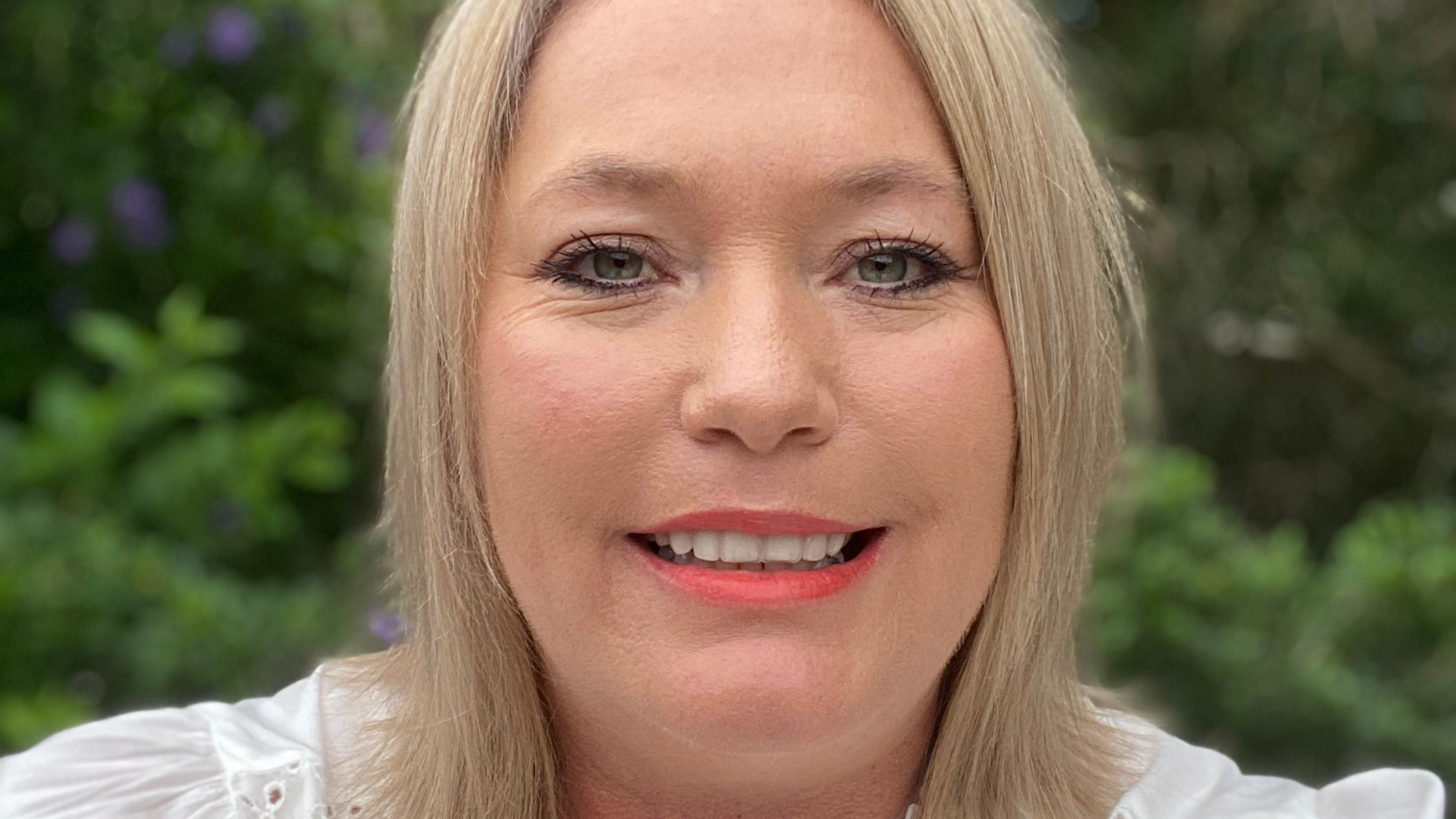
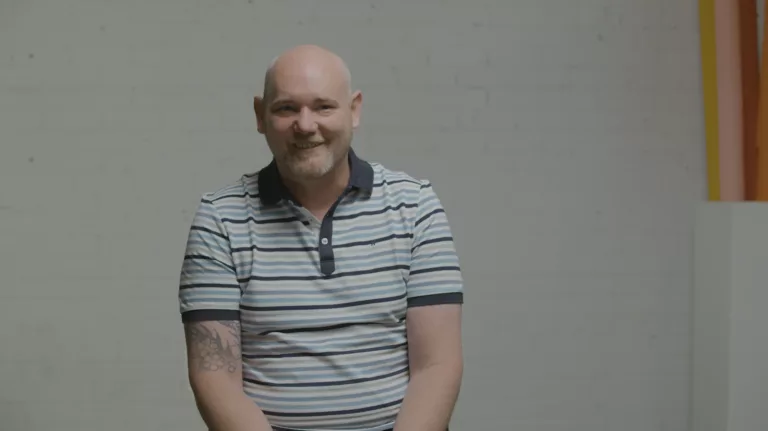
Pictured: Neil Fraser, lived experience contributor to SafeSide CARE Alcohol and Other Drugs.
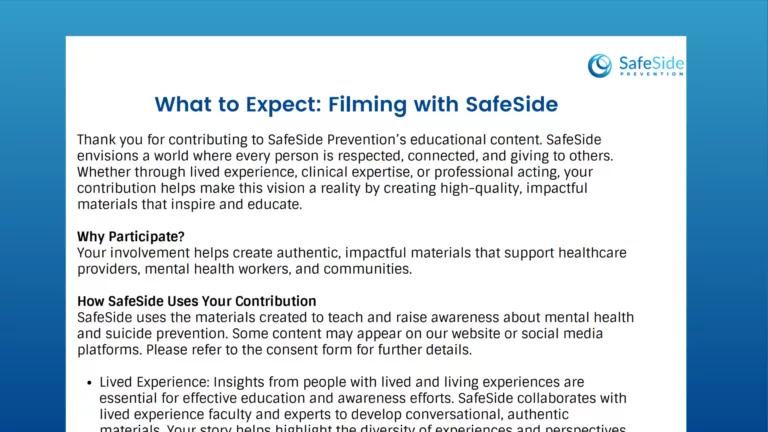
What to Expect: Filming with SafeSide
SafeSide works to create emotionally safe, respectful, and well-supported participation experiences for people contributing lived experience and professional expertise. This document outlines what participants can expect when filming educational content with SafeSide Prevention, including preparation steps, filming day logistics, and support available throughout the process.
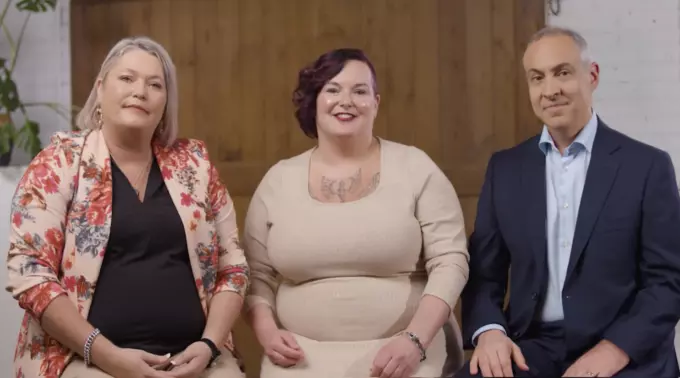
SafeSide’s Lived Experience Faculty
SafeSide’s lived experience faculty contribute across education, consultation, storytelling, advocacy, and program development, helping ensure our work remains grounded in real-world experience, compassion, and recovery-oriented practice.

Mel Clark
Mel brings compassion, empathy, and determination to her work, striving to provide hope for others. As a long-time carer for her brother and a survivor of Adverse Childhood Experiences, she draws on her lived experience to highlight the importance of family, wellbeing, justice, healing, and recovery. Download her Note Cards here.

Sam Fewings
Sam spent twenty years working in Human Resources and Insurance before dedicating himself to suicide prevention as an advisor and facilitator. Sam has lived experience of suicide and is passionate about stigma reduction and giving a voice to others with lived experience.

Jack Stem
Jack is a Project Manager at the University of Cincinnati’s College of Nursing. Jack is in recovery from opioid use disorder (29 years on March 28, 2024), bringing his own experience with the disease of substance use disorder to bear on his work. Since entering recovery, Jack has dedicated his professional life to helping others with this disease.
Why Lived Experience Matters
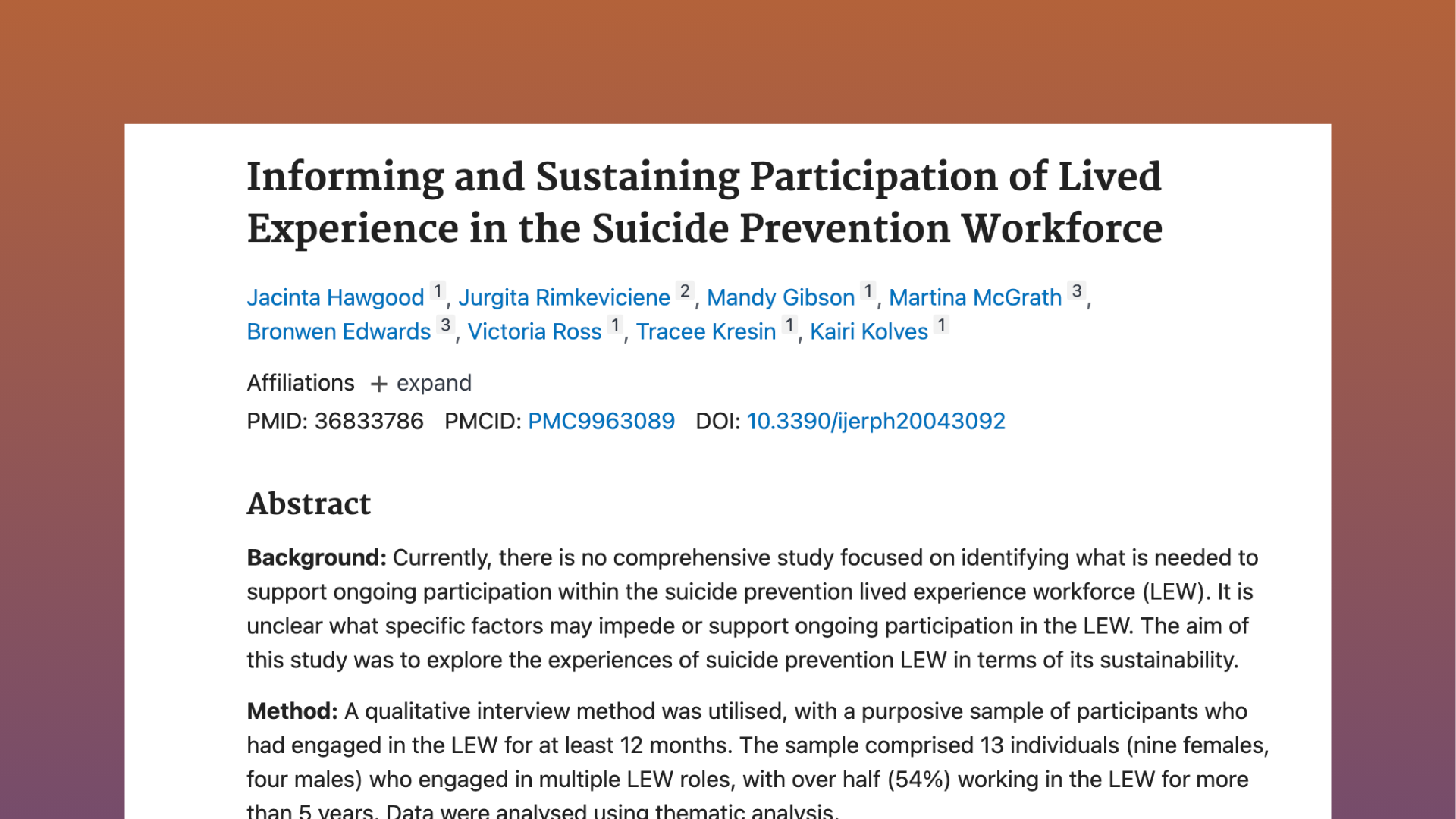
Lived experience helps shape approaches that strengthen trust, connection, and collaboration between services, individuals, and families.
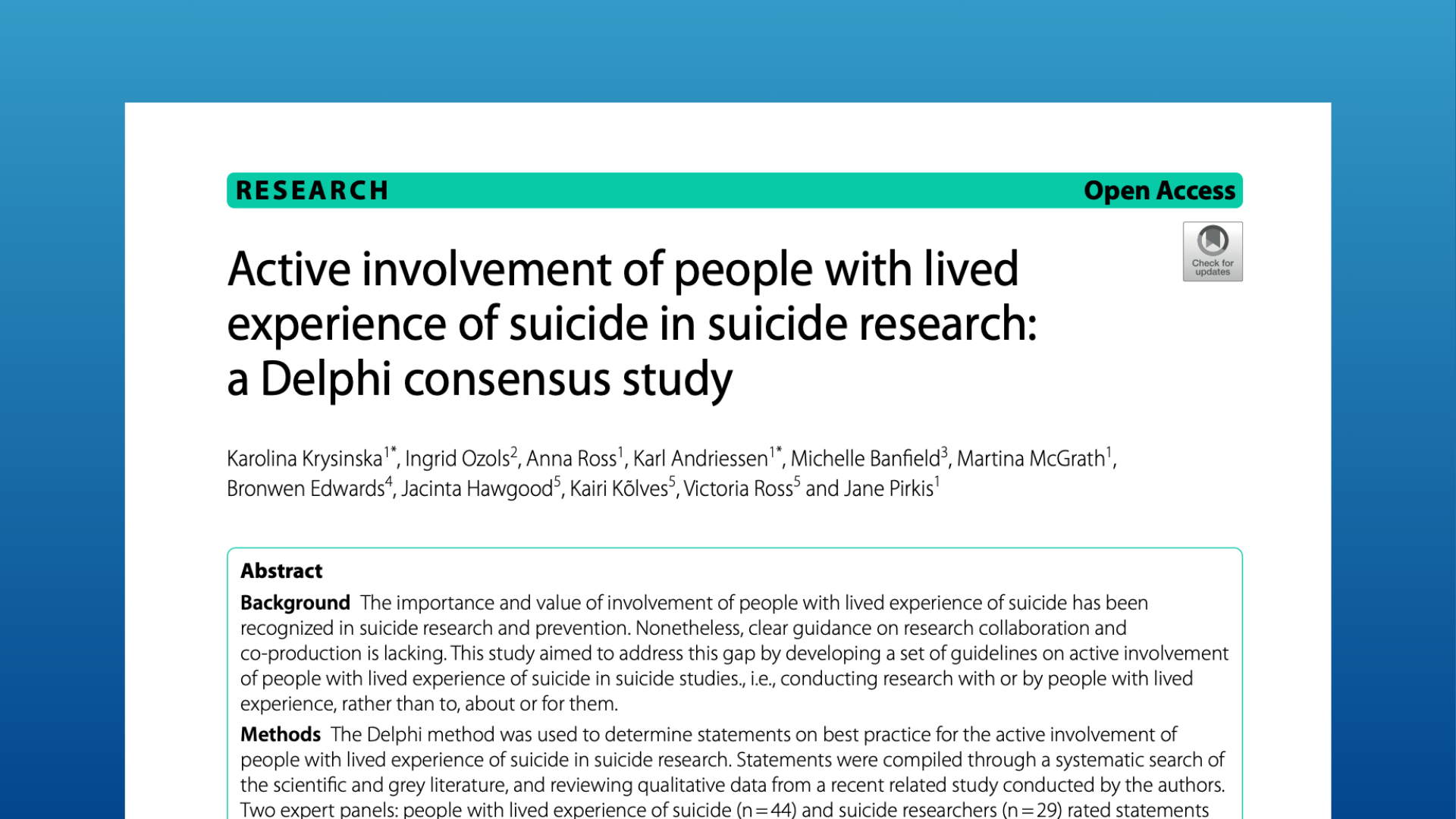
SafeSide engages a team of people worldwide who have lived experience and suicide prevention experts, clinicians, researchers, and change management professionals. All SafeSide educational programs are co-led by clinical and lived experience expertise.
Read more
Explore stories, evidence, and perspectives that highlight the role of lived experience in strengthening suicide prevention, recovery, engagement, and compassionate systems of care.